

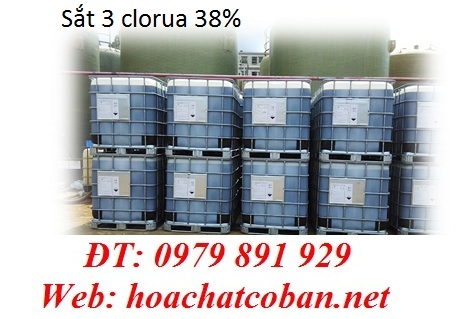
What is FeCl3? This is ferric chloride (iron(III) chloride) — an inorganic salt of iron(III), commonly sold commercially in this form. technical snake or liquid solution ~36–40%, yellow-brown color, water treatment with coagulant and PCB etching.
CAS 7705-08-0Industrial B2B shipments typically include a Certificate of Analysis (COA)/Ms. Data Sheet (MSDS) per batch; pricing is on-request based on concentration, tank/IBC/bag specifications, and delivery location.
- FeCl3 = iron(III) chloride (Fe³⁺), different from FeCl2 (Fe²⁺, CAS 7758-94-3) — do not substitute 1:1; a jar test on real water is required.
- Liquid 36–40% is easy to pump and meter; solid ~96% (technical basis) is suitable for dry transport — select according to storage and process.
- Acidic, corrosive solution; dissolves in water with exothermic reaction — PPE + MSDS required for shipment.
Purchasing and engineering teams often ask the same questions at the same time: What is FeCl3?This article provides a practical summary for industrial chemical plants and suppliers, including the CAS number, whether it's in solid or liquid form, the intended application, its differences from FeCl2, and the required COA/MSDS documentation. It does not replace internal SOPs or batch MSDS.
What is FeCl3 (iron(III) chloride)?
Iron(III) chloride (formula FeCl₃) is an inorganic compound of iron in the oxidation state +3 with chlorine. Common English names: ferric chloride, iron(III) chlorideOn the COA/MSDS, the registration number for the standard chemical is CAS 7705-08-0 (Anhydrous base / industrial solution). This is the number you should match when cross-referencing the batch records.
Vietnamese trade typically takes two forms:
- Fluid about 36–40% w/w — Yellow to brown, easy to pump, widely used for wastewater treatment and some continuous lines.
- Technical snake (also known as ~96% basis anhydrous) — dark crystals/granules, packaged dry for transport; dissolved in solution on-site according to procedure.
Note on terminology: “iron chloride alum” is sometimes used loosely for both FeCl2 and FeCl3. When placing B2B orders, please specify. FeCl3 / iron(III) / ferric and concentration, not just saying "iron sulfate".
The formula is FeCl₃, with a molar mass of approximately 162,2 g/mol (anhydrous). The aqueous solution is more acidic than plain water and corrosive to many metals—suitable materials must be selected for storage facilities and pipelines.
FeCl3 specifications
The table below is Common technical referencesAcceptance values are determined based on the COA for each batch and the measured temperature.
| Targets | Reference value |
|---|---|
| Name / alias | FeCl3 · iron III chloride · ferric chloride · iron(III) chloride |
| CAS | 7705-08-0 |
| Trade status | Technical solid or liquid solution |
| Common liquid concentrations | ~36–40% w/w (± COA tolerance) |
| Technical snake | Typically, about 96% of cases are anhydrous (according to NCC specifications). |
| Liquid appearance | Yellow to brown; may be slightly viscous; characteristic acidic odor. |
| Solubility / Phase | Dissolves well in water; dissolves with exothermic action. |
| Acidity of the solution | Low pH (acidic); corrosive |
| Common packaging | HDPE cans/drums, IBCs, tank trucks (liquid); bags (solid) |
| B2B Profile | COA per batch; MSDS; Industrial Park delivery specifications |
When comparing the Certificate of Analysis (COA), you should check: % FeCl3 (or equivalent Fe³⁺), specific gravity (liquid), impurities (if specified in the specification), appearance, and expiration date/storage conditions. Do not use a "web reference table" as a substitute for the COA as the acceptance standard.
Properties and colors
Color: Industrial-grade FeCl3 solution gold-brown It ranges from light reddish-brown depending on concentration and impurities. Solid crystals may appear dark; depending on the viewing angle, reflected/transmitted light may appear deep blue or purplish-red—this is an optical characteristic of the crystal, not a "color mismatch" if the COA matches.
Dissipation and heat release: When dissolving solid FeCl3 or diluting concentrated solutions, the mixture releases heat. Dilution should be controlled to avoid splashing; prioritize the process and PPE as specified in the MSDS.
Acidity – Corrosiveness: FeCl3 solution is acidic and corrosive to skin, eyes, and many metals. Avoid contact with incompatible equipment; rinse thoroughly in case of spills according to the factory SOP.
Stable: FeCl3 (Fe³⁺) is more oxidativeally stable than FeCl2 (Fe²⁺). FeCl2 is easily oxidized to Fe³⁺ upon contact with air/alkali — this is why the two chemicals do not "cross-exchange" blindly.
| Form | Operational advantages | Important note |
|---|---|---|
| Liquid ~36–40% | Pumping, dosing, and rapid mixing on the production line. | Water volume; corrosion-resistant tank storage; tank/IBC delivery |
| Technical snake | Dry transport, bagged inventory | Dissolution step required; control temperature and dust during mixing. |
Common industrial applications
FeCl3 is widely used in the chemical industry and environmental treatment. Common application groups in Vietnam include:
- Water and wastewater treatment: Coagulation/flocculation, aids in the removal of suspended solids, some phosphate systems precipitate as iron(III) salts. Dosage and pH depend on the water source — always jar-test.
- Printed circuit board (PCB) etching and surface treatment: FeCl3 solution is used to etch copper on circuit boards; it is used in PCB workshops and some metal etching processes (with compliance with waste solution recovery/disposal regulations).
- Support for metalworking processes/corrosion testing: Some labs and workshops use FeCl3 in controlled surface testing or etching — not to be confused with large-scale production SOPs.
- Lab intermediates/catalysts: In the laboratory, FeCl3 can act as a Lewis acid or a colorimetric reagent (e.g., for testing phenol) — this is within the lab scope and does not change factory specifications.
For wastewater treatment plants, FeCl3 is one of the ferrous coagulants. The choice between FeCl3, FeCl2, PAC, alumina, etc., depends on COD/TSS, pH, sludge, operating costs, and jar-test results — there is no "always-winning chemical" for every wastewater source.
If you are buying 36–40% industrial liquid solutions for industrial parks, please refer to Loc Thien's product page: Liquid FeCl3 (iron(III) chloride) available at hoachatlocthien.com. Price quoted per batch, with COA/MSDS provided upon negotiation.
What is the difference between FeCl3 and FeCl2?
The two chemicals are both "iron chloride" but differ in valence, color, stability, and flocculation behavior.
| Criteria | FeCl3 (iron III) | FeCl2 (iron II) |
|---|---|---|
| Formula / ion | FeCl₃ · Fe³⁺ | FeCl₂ · Fe²⁺ |
| CAS | 7705-08-0 | 7758-94-3 |
| EN name | Ferric chloride | Ferrous chloride |
| Common solution colors | Gold-brown | Light green / green |
| Oxidative stability | More stable (already Fe³⁺) | Easily oxidized to Fe³⁺ if open/alkaline. |
| Common forms of trade | Liquid 36–40% or technical solid | Liquid ~15–30% is common. |
| Suggestion app | Coagulant, PCB etching, some XLNT | Coagulation/reduction, some XLNT & textile lines |
| 1:1 replacement? | No — jar-test + pH/dose adjustment | |
Is FeCl2 needed in parallel for operational comparison? See Liquid FeCl2 Loc ThienA detailed, lengthy comparison is in a separate article; this is just enough to help you avoid confusing CAS numbers and placing the wrong order.
Safety and storage
FeCl3 is an industrial chemical. corrosiveBefore opening the container/tank:
- Read the shipment's MSDS: PPE (gloves, goggles/face shield, chemical protective clothing), first aid, spill management.
- Store in a dry, well-ventilated place, avoiding incompatible materials; tanks and pipes must be acid-resistant.
- Dilute: control temperature; avoid contact with skin/eyes; have emergency rinse water available as per factory regulations.
- Do not mix blindly with strong alkalis or unfamiliar chemicals — exothermic reactions/precipitation can cause problems.
- Waste and used etching solutions must be treated according to environmental regulations — not discharged directly.
This article is not a complete safety SOP. All procedures should be based on your organization's MSDS, internal procedures, and chemical safety training.
When should you ask for a price quote for FeCl3?
Suitable for B2B discussions once you have closed (or are about to close):
- Form Liquid 36–40% or technical snake
- Volume / frequency of delivery (cans, IBCs, tanks)
- Interchange area (Industrial park, province)
- Required documents: COA, MSDS, (if applicable) industry-specific requirements.
Loc Thien supplies industrial FeCl3 in bulk. Contact hotline/Zalo. (+84) 979 891 929 or product page: hoachatlocthien.com — FeCl3 iron(III) chloridePrices are on request and vary depending on the time and specifications — no retail prices are listed publicly in this post.
Top Q&A
What is FeCl3 and what is its CAS value?
FeCl3 is ferric chloride (iron(III) chloride), a salt of iron with a valence of tri. Industrial CAS standard: 7705-08-0. Other than FeCl2 (iron II chloride, CAS 7758-94-3).
What is the difference between liquid FeCl3 (36–40%) and solid FeCl3 (96%)?
Liquid (36–40%) ready for pumping/dose, delivered in tanks, IBCs, or drums. Technical solid (~96% basis) is compact for dry transport but requires on-site dissolution. Selection depends on storage, mixing equipment, and frequency of use; acceptance is based on the Certificate of Analysis (COA).
How is FeCl3 used in wastewater treatment?
Typically, its role is flocculation/coagulation, assisting in the removal of suspended solids and some phosphate-related systems. Dosage, pH, and dosing point depend on the water source — always jar-test before scale-up. Do not copy dosages from other manufacturers.
Can FeCl2 be replaced with FeCl3?
No 1:1 replacement. They differ in valency (Fe³⁺ vs Fe²⁺), color, oxidative stability, and flocculation response. Changing chemicals requires jar testing, pH/dosage adjustment, and sludge evaluation, plus operating costs.
What color is FeCl3?
Industrial solutions are typically yellow to brown. The crystals are dark solid; the viewing angle may give the impression of dark blue or purplish-red. Significant color deviations from the COA/standard batch require visual inspection and percentage verification before use.
What documents are needed when purchasing FeCl3 B2B?
Minimum COA and MSDS per batch. Packaging specifications, industrial delivery conditions, and industry requirements (if specified by the factory) can be added. Quotation upon request — hotline. (+84) 979 891 929.
What precautions should be taken when storing FeCl3?
Suitable storage for corrosive chemicals; use PPE when opening cans/tanks; avoid indiscriminate mixing; dilute with controlled temperature. Details according to lot MSDS and factory safety SOP.
Summary: FeCl3 (iron(III) chloride, CAS 7705-08-0) is an industrial chemical widely used for coagulation in water treatment and PCB etching. It is available in liquid form (~36–40%) and as a technical solid. Ensure correct formulation, matching COA, jar-test before scaling, and always keep it separate from FeCl2 (CAS 7758-94-3). Pricing and batch information available upon request. Loc Thien FeCl3 product · (+84) 979 891 929.




Comments are closed